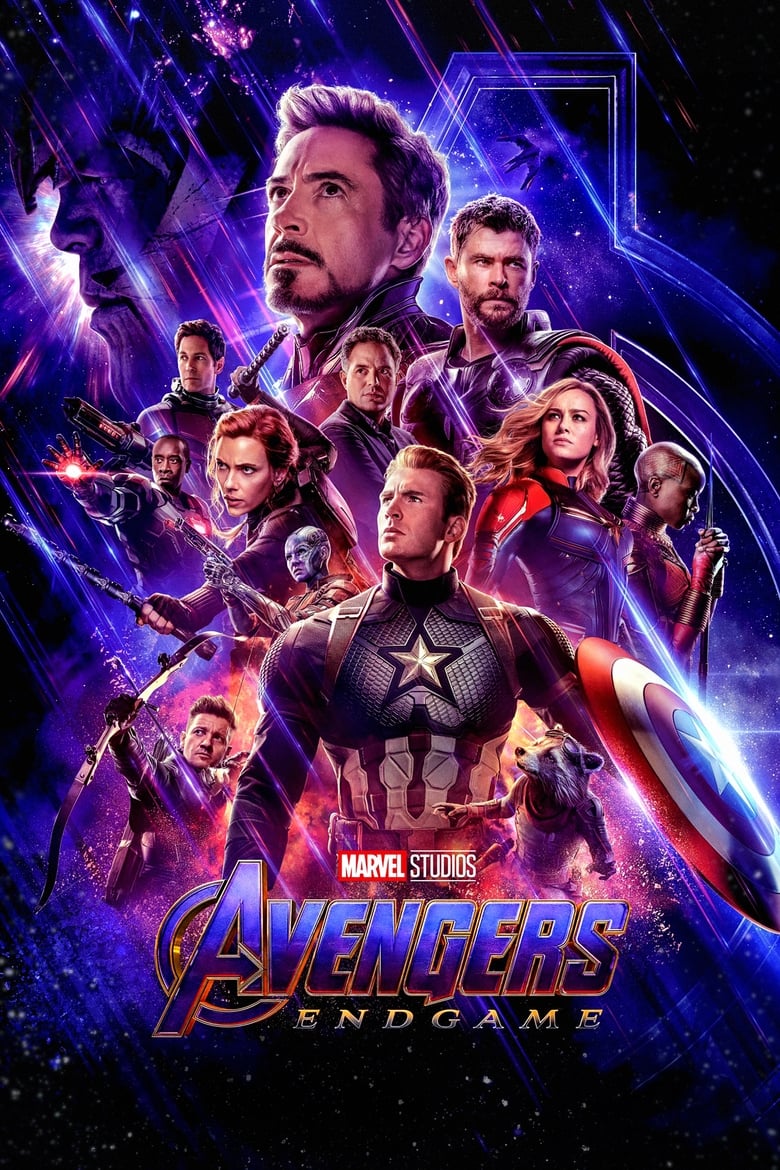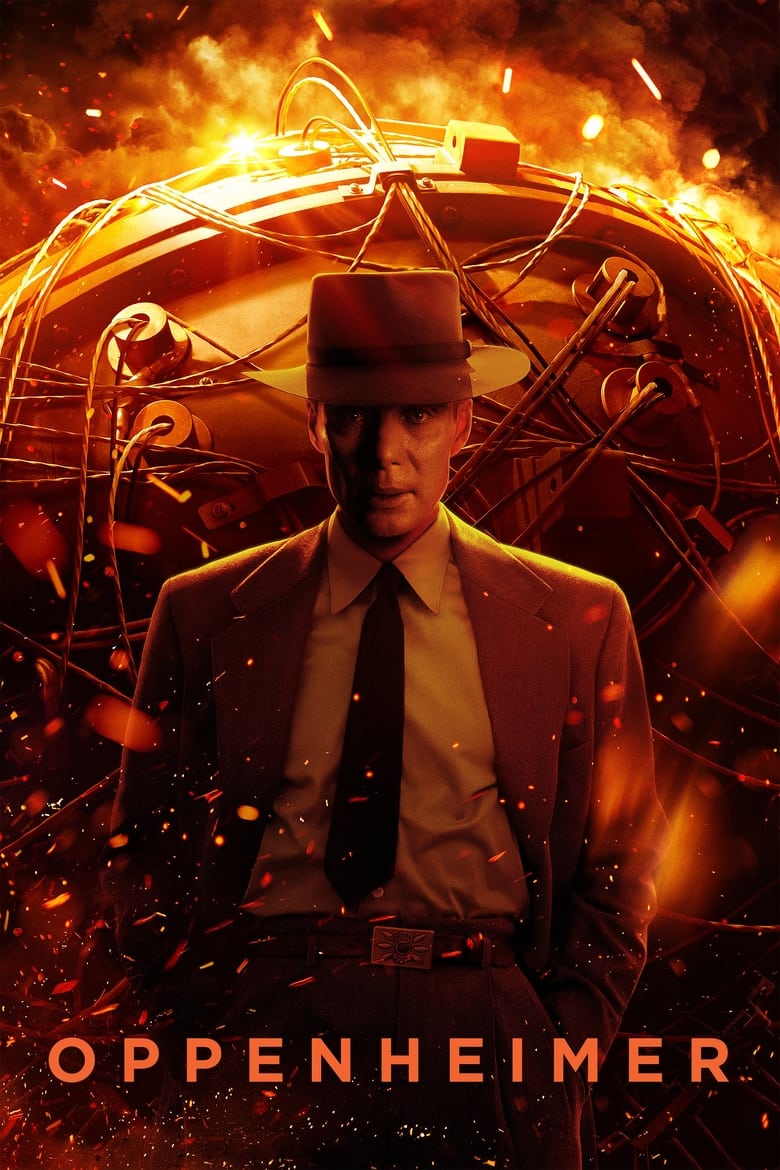
Artificial intelligence is no longer just a subject explored in science fiction films — it is actively reshaping how films are made, distributed, and experienced. From visual effects to casting decisions, AI is quietly revolutionizing every aspect of the film industry. Here is a comprehensive look at how this technology is changing cinema.
De-Aging and Digital Resurrection
One of the most visible uses of AI in cinema is de-aging technology. Films like The Irishman (2019) and Indiana Jones and the Dial of Destiny (2023) used AI-powered visual effects to make actors appear decades younger. Marvel Studios has also extensively used this technology, most notably with Samuel L. Jackson and Kurt Russell. While the results have improved dramatically, the technology continues to raise ethical questions about digital likeness and consent.
AI in Scriptwriting
AI tools are increasingly being used to analyze scripts, predict commercial success, and even generate story elements. Studios use AI algorithms to analyze thousands of successful films and identify patterns in plot structure, character development, and dialogue. While AI has not replaced human writers, it is becoming a powerful tool in the development process — a topic that contributed to the 2023 Hollywood writers strike.
Virtual Production and Deepfakes
AI-powered virtual production environments allow filmmakers to create photorealistic digital environments in real time. Led by technology pioneered in The Mandalorian series, these virtual stages are transforming how films are shot, reducing location costs and expanding creative possibilities significantly.
AI in Film Distribution and Marketing
Streaming platforms like Netflix and Amazon use AI algorithms to analyze viewer behavior and determine which types of content to commission. These algorithms influence everything from genre selection to casting choices, representing a fundamental shift in how entertainment decisions are made.
Sound Design and Music Composition
AI tools are being used to compose background scores, generate sound effects, and even replicate the voices of deceased musicians. While this raises complex copyright and ethical questions, it also opens new creative possibilities for filmmakers working with limited budgets.
The Ethical Questions
The rise of AI in cinema brings serious ethical challenges. Questions about actors' digital rights, writers' creative ownership, and the potential replacement of human artists have sparked intense debate across Hollywood. The 2023 SAG-AFTRA strike specifically addressed AI's impact on actors' likeness rights and job security.
The Future
AI in cinema is still in its early stages. As the technology becomes more sophisticated, its role in filmmaking will only grow. The challenge for the industry will be finding ways to harness AI's creative potential while protecting the human artistry that makes cinema so powerful and meaningful.
Conclusion
Artificial intelligence is not replacing cinema — it is changing it. Like every major technological shift in film history, from sound to color to CGI, AI represents both a challenge and an extraordinary opportunity. The films of tomorrow will be shaped by how creatively and responsibly the industry chooses to embrace it.